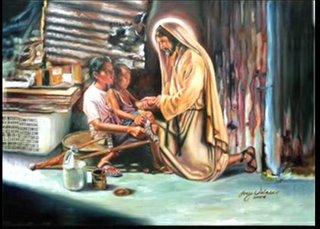
Once upon a time there was a nation at war. They killed many children and many others were injured with disabilities that they would suffer from all of their lives. Some would have cancer, some were physically disabled, others were to live with trauma haunting their memories, others would commit suicide because of all they have lost. Tired of living this way, the children banded together and held a protest. Masses and masses of them, so many one could not count them all. They filled the capital city with broken limbs, broken minds, broken lives, all because of the tragedy visited upon them by their leaders.
Although they blocked traffic and stopped the everyday commerce, they were ignored by almost everyone. One news station filmed them and placed them at the end of their evening report as a “human interest” story. In this story, one line was offered as comment: “Poor kids. They just don’t understand politics.”
Although they blocked traffic and stopped the everyday commerce, they were ignored by almost everyone. One news station filmed them and placed them at the end of their evening report as a “human interest” story. In this story, one line was offered as comment: “Poor kids. They just don’t understand politics.”
Mark 3:21-34—
And He came home, and the crowd gathered again, to such an extent that they could not even eat a meal. When His own people heard of this, they went out to take custody of Him; for they were saying, “He has lost His senses.” The scribes who came down from Jerusalem were saying, “He is possessed by Beelzebul,” and “He casts out the demons by the ruler of the demons.” And He called them to Himself and began speaking to them in parables, “How can Satan cast out Satan? If a kingdom is divided against itself, that kingdom cannot stand. If a house is divided against itself, that house will not be able to stand. If Satan has risen up against himself and is divided, he cannot stand, but he is finished! But no one can enter the strong man’s house and plunder his property unless he first binds the strong man, and then he will plunder his house.
“Truly I say to you, all sins shall be forgiven the sons of men, and whatever blasphemies they utter; but whoever blasphemes against the Holy Spirit never has forgiveness, but is guilty of an eternal sin”—because they were saying, “He has an unclean spirit.”
Then His mother and His brothers arrived, and standing outside they sent word to Him and called Him. A crowd was sitting around Him, and they said to Him, “Behold, Your mother and Your brothers are outside looking for You.” Answering them, He said, “Who are My mother and My brothers?” Looking about at those who were sitting around Him, He said, “Behold My mother and My brothers! For whoever does the will of God, he is My brother and sister and mother.”
Our story thus far:
Jesus looked at the politics of his day and so proposed and established a new nation, because there was no redeeming the old one.
Baptism is the ceremony of immigration from the nation of birth to the nation of Jesus
Baptism is the ceremony of immigration from the nation of birth to the nation of Jesus
This means that if we are following Jesus, we no longer belong to the nations of this world, but to the kingdom of God.
Jesus, however, participated in the politics of his day. Paul declared himself a Roman citizen and James, the brother of Jesus was considered a Judean in high standing. How do we be a good citizen of the kingdom of God and involve ourselves in politics?
Jesus, however, participated in the politics of his day. Paul declared himself a Roman citizen and James, the brother of Jesus was considered a Judean in high standing. How do we be a good citizen of the kingdom of God and involve ourselves in politics?
First, we need to understand how Jesus did NOT do politics:
Jesus did not become a Sadduccee. If he had done this, he could have made changes within the contemporary system, supporting the power system and encouraging it to make positive changes. He did not choose that path of politics.
Jesus did not become a Pharisee. He did not try to obtain popular support for his ideas and interpretations of law. He did not support the current synagogue system, attached to the temple in Jerusalem. He used this system, but he did not build onto it.
Jesus did not become a Pharisee. He did not try to obtain popular support for his ideas and interpretations of law. He did not support the current synagogue system, attached to the temple in Jerusalem. He used this system, but he did not build onto it.
Jesus did not become an Essene. He did not form a separatist community, which kept themselves pure apart from the corrupt world. Instead, he was deeply involved in the world.
Jesus did not become a Herodian or support Herod’s regime. He didn’t choose to unify the Jewish people through power. He didn’t choose to unify people under one political entity at all.
Jesus did not choose to be a Zealot. He did not choose to create a violent insurrection against all doers of oppression and corruption.
In general, Jesus’ plan to do politics was to establish a new nation and invite all to participate in it, not by force, but by a welcome invitation. He explained the new law that the kingdom would have, the new people and a new power by which it would rule the world. He lived and taught a new politics of the kingdom.
Jesus’ politics wasn’t to keep the system going. Rather, he was proposing a revolution. A complete dismantling of “politics as usual” and starting all over again. And his people are not to be proponents of “politics as usual”, but starting over again.
Jesus’ politics wasn’t to keep the system going. Rather, he was proposing a revolution. A complete dismantling of “politics as usual” and starting all over again. And his people are not to be proponents of “politics as usual”, but starting over again.
How Jesus decided to do politics is a huge subject, and quite complicated. But I think this passage in Mark 3 can give us an outline of his general plan of how WE should do politics, even today.
1 Jesus began his politics with radical acts of life-saving mercy
The subject being discussed is Jesus freeing people from severe mental illness. Yes, they are talking about demonization, which is how the ancient world understood and communicated about mental illness. The story about people who acted in inappropriate social ways was that they were being judged for their sin by being attacked by a demon, who was ruled by Satan, which is the title of the great prosecutor of the spirit world. Satan is a title, which means Accuser, the official name of the one who condemns humans before God. In some concpts, he is also the one who carried out the punishments against humans who did evil. He is the agent of Karma, giving evil for those who do evil and mental illness, it was said, is the result of that attack. We can see a clear story of this in the story of Saul in the book of I Samuel. He disobeyed God and so he was given an evil spirit to attack him and he became more and more insane.
But Jesus would deliver the mentally ill by exiling or “driving out” spirits that punish humans. He gives them freedom from the punishment that was visited upon them. He is freeing them from oppression. Giving them another chance to live.
This is a political stand. Because society believes in karma. They believe in punishing people who do wrong, even if they can’t prove wrong was done. They believe that homeless people should suffer some because there must be a good reason for them to be on the street. They believe that people with AIDS should suffer for their acts. They believe that mental illness is just a weakness, and they deserve to suffer. So giving people release from oppression who “deserve” to be oppressed is an act of rebellion.
But Jesus would deliver the mentally ill by exiling or “driving out” spirits that punish humans. He gives them freedom from the punishment that was visited upon them. He is freeing them from oppression. Giving them another chance to live.
This is a political stand. Because society believes in karma. They believe in punishing people who do wrong, even if they can’t prove wrong was done. They believe that homeless people should suffer some because there must be a good reason for them to be on the street. They believe that people with AIDS should suffer for their acts. They believe that mental illness is just a weakness, and they deserve to suffer. So giving people release from oppression who “deserve” to be oppressed is an act of rebellion.

2. Be attacked
So here come these officials “from Jerusalem”-- these aren’t just local people, but people who are the official word, giving an official judgment on Jesus’ work. And their judgement is that Jesus is under control of the evil forces, and that his actions are not good, as they seem on the surface, but evil. Why are they evil? Because he is speaking against them and their acts of oppression and insisting on too much authority for himself.
The one who does good in a way that is not accepted by society will be attacked by society. Jesus said this, not as a possibility, but as a promise. He promised his disciples that for their good work, they would be officially condemned and arrested and hated by their own families and churches.
Even so, the very people who should see Jesus as a force for good, instead labels him as the force of evil. And this is typical of “politics as usual”. Good will be painted as evil by those who should embrace it.
3. Speak out against corruption
Then Jesus moves into political discourse. First, he belittles the arguments of his opponent.
He says, “How can the force of judgment relase people from judgment? That is the Prosecutor acting against his own goals. The jailer doesn’t set people free. The executioner doesn’t let people go. Satan has a purpose, and to free people is the opposite of that purpose. That is an act of civil war. So it is just silly to say that my work is the work of Satan.”
Then Jesus speaks to their judgment of him:
“If you look at good work and call it evil because of your political views, you will never know what good or evil is. You can look at me and point out my deficiencies. You can call me names and say evil things about me-- that’s fine. But this work of the Holy Spirit is good. It is the work of God among people who are cruelling suffering. If you call the good work of God an evil work there is no hope for you. You are hopelessly blinded by your point of view and you will never change.”
Today there are so many people who look at good and call it evil. There are so many people acting out of judgment instead of love. We may not be a part of this world, but we must speak and act in this world. We need to act for people who are oppressed and free them. We will act in any way we can, as long as it does not harm another. We must act by votes, we must act by good will, we must act by our speech, both private and public. And we must not just love, but we must speak out against forces of hate. Forces that want to oppress, want to harm the innocent, want to block the ways in which people can be freed. Yes, our family may oppose us. Our church may oppose us. The people we love may oppose us. But we must stand for doing good, and do good, no matter what the cost. Even if it is illegal. Even if we will be rejected by everyone. We must do what will save the lives of the oppressed.
4. Build Community
Jesus did a number of other things to change the politics of this world, but there is one more thing I want to mention from this passage. Earlier in the passage, we have a description of Jesus’ “own” who were standing outside, determining that he was insane and needed to take him home and lock him in a closet. After this showdown with the officials from Jerusalem, someone is finally able to get Jesus a message from his family, telling him to come outside, where they plan to do a Gaston and lock him up as a crazy person.
Jesus ignores their request, however. This is because he knew that his family wants to obstruct his work, even as the scribes from Jerusalem does. He instead points to his disciples around him and says, “These are my real family. The people who do the work of God are my true family.”
What is Jesus doing? A family is one’s base community, out of which everything else is formed. Jesus is saying that his family-- his physical brothers and mother-- are not his base community. Who is his real community? Those who have chosen to learn from him the path of doing good. The people who are standing up for the oppressed. The people who will deliver others. Who will forgive, who will set them free from the punishment that society thinks they deserve. These who will deliver the mentally ill, restore people to good standing, who will feed the hungry, shelter those out in the cold, deliver people from prison, make the sick well. These are the community of Jesus. They may have different beliefs, different opinions of how the world works, they have different radical acts of freedom they do, but they have this: they stand together with Jesus to change the world, by freeing one person at a time from their suffering.
One of Jesus’ most powerful acts of politics is to create a community that can do more good together than they can separately. And these people aren’t just Jesus’ friends, they aren’t just Jesus’ buds-- they are Jesus’ family. They are his real community. This family is the outgrowth of Jesus’ kingdom. It starts with him-- setting people free in every town he goes in. And then it expands to all his disciples, each of them freeing people from suffering, just as Jesus did.
So how do we do politics? Again, it can be complicated, but here’s a starting point for all of us:
1. We work to set free the suffering and oppressed
2. We are targeted by those who want people to suffer for their own political motives
3. We deny their explanation, by labeling good works as good and evil works as evil.
4. We build communities that can release more people from suffering than they could separately
So here come these officials “from Jerusalem”-- these aren’t just local people, but people who are the official word, giving an official judgment on Jesus’ work. And their judgement is that Jesus is under control of the evil forces, and that his actions are not good, as they seem on the surface, but evil. Why are they evil? Because he is speaking against them and their acts of oppression and insisting on too much authority for himself.
The one who does good in a way that is not accepted by society will be attacked by society. Jesus said this, not as a possibility, but as a promise. He promised his disciples that for their good work, they would be officially condemned and arrested and hated by their own families and churches.
Even so, the very people who should see Jesus as a force for good, instead labels him as the force of evil. And this is typical of “politics as usual”. Good will be painted as evil by those who should embrace it.
3. Speak out against corruption
Then Jesus moves into political discourse. First, he belittles the arguments of his opponent.
He says, “How can the force of judgment relase people from judgment? That is the Prosecutor acting against his own goals. The jailer doesn’t set people free. The executioner doesn’t let people go. Satan has a purpose, and to free people is the opposite of that purpose. That is an act of civil war. So it is just silly to say that my work is the work of Satan.”
Then Jesus speaks to their judgment of him:
“If you look at good work and call it evil because of your political views, you will never know what good or evil is. You can look at me and point out my deficiencies. You can call me names and say evil things about me-- that’s fine. But this work of the Holy Spirit is good. It is the work of God among people who are cruelling suffering. If you call the good work of God an evil work there is no hope for you. You are hopelessly blinded by your point of view and you will never change.”
Today there are so many people who look at good and call it evil. There are so many people acting out of judgment instead of love. We may not be a part of this world, but we must speak and act in this world. We need to act for people who are oppressed and free them. We will act in any way we can, as long as it does not harm another. We must act by votes, we must act by good will, we must act by our speech, both private and public. And we must not just love, but we must speak out against forces of hate. Forces that want to oppress, want to harm the innocent, want to block the ways in which people can be freed. Yes, our family may oppose us. Our church may oppose us. The people we love may oppose us. But we must stand for doing good, and do good, no matter what the cost. Even if it is illegal. Even if we will be rejected by everyone. We must do what will save the lives of the oppressed.
4. Build Community
Jesus did a number of other things to change the politics of this world, but there is one more thing I want to mention from this passage. Earlier in the passage, we have a description of Jesus’ “own” who were standing outside, determining that he was insane and needed to take him home and lock him in a closet. After this showdown with the officials from Jerusalem, someone is finally able to get Jesus a message from his family, telling him to come outside, where they plan to do a Gaston and lock him up as a crazy person.
Jesus ignores their request, however. This is because he knew that his family wants to obstruct his work, even as the scribes from Jerusalem does. He instead points to his disciples around him and says, “These are my real family. The people who do the work of God are my true family.”
What is Jesus doing? A family is one’s base community, out of which everything else is formed. Jesus is saying that his family-- his physical brothers and mother-- are not his base community. Who is his real community? Those who have chosen to learn from him the path of doing good. The people who are standing up for the oppressed. The people who will deliver others. Who will forgive, who will set them free from the punishment that society thinks they deserve. These who will deliver the mentally ill, restore people to good standing, who will feed the hungry, shelter those out in the cold, deliver people from prison, make the sick well. These are the community of Jesus. They may have different beliefs, different opinions of how the world works, they have different radical acts of freedom they do, but they have this: they stand together with Jesus to change the world, by freeing one person at a time from their suffering.
One of Jesus’ most powerful acts of politics is to create a community that can do more good together than they can separately. And these people aren’t just Jesus’ friends, they aren’t just Jesus’ buds-- they are Jesus’ family. They are his real community. This family is the outgrowth of Jesus’ kingdom. It starts with him-- setting people free in every town he goes in. And then it expands to all his disciples, each of them freeing people from suffering, just as Jesus did.
So how do we do politics? Again, it can be complicated, but here’s a starting point for all of us:
1. We work to set free the suffering and oppressed
2. We are targeted by those who want people to suffer for their own political motives
3. We deny their explanation, by labeling good works as good and evil works as evil.
4. We build communities that can release more people from suffering than they could separately